Creating a home office that feels cozy yet productive can make a big difference in how you work, especially if you spend many hours at your desk. A well-designed space not only boosts your focus but also helps reduce stress, making your work-from-home experience more enjoyable. Whether you have a dedicated room or just a small corner, here are practical tips to help you build a home office that balances comfort and efficiency.
Choose the Right Location
Find a Quiet Spot
Select a space with minimal distractions. Ideally, choose a room or corner away from household traffic, noisy appliances, or televisions. Quiet surroundings help improve concentration and prevent interruptions.
Maximize Natural Light
Position your desk near a window if possible. Natural light can improve mood and energy levels. Just be mindful of glare on your screen, and use curtains or blinds to control brightness.
Invest in Comfortable Furniture
Ergonomic Chair
A comfortable chair with good lumbar support is essential. Since you may be sitting for long periods, investing in ergonomic seating can prevent back pain and posture-related issues.
Functional Desk
Choose a desk with enough surface area for your computer, supplies, and workspace. Adjustable desks that let you switch between sitting and standing positions add versatility and encourage movement.
Organize Your Workspace
Declutter Regularly
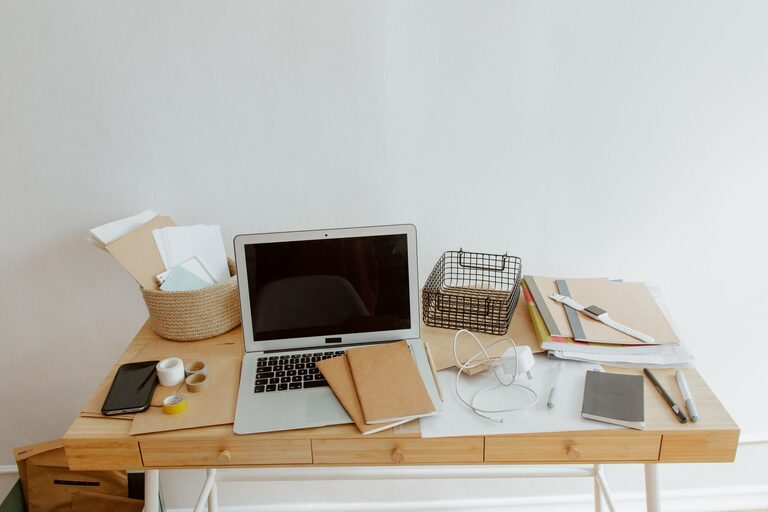
Keep your desk tidy by removing unnecessary items. Clutter can be distracting and reduce your efficiency. Use drawers or desk organizers to store supplies neatly.
Use Shelves and Storage
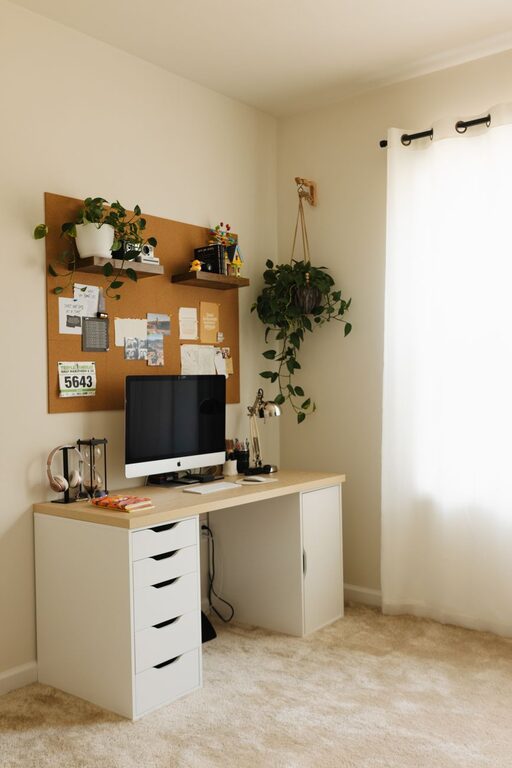
Vertical storage saves floor space and keeps essentials within reach. Floating shelves, filing cabinets, or storage cubes help maintain order and provide easy access to documents and tools.
Add Personal Touches for Comfort
Soothing Colors
Paint or decorate your space with calm, neutral colors like soft blues, greens, or warm neutrals. These tones create a relaxing atmosphere that helps you focus.
Plants and Greenery
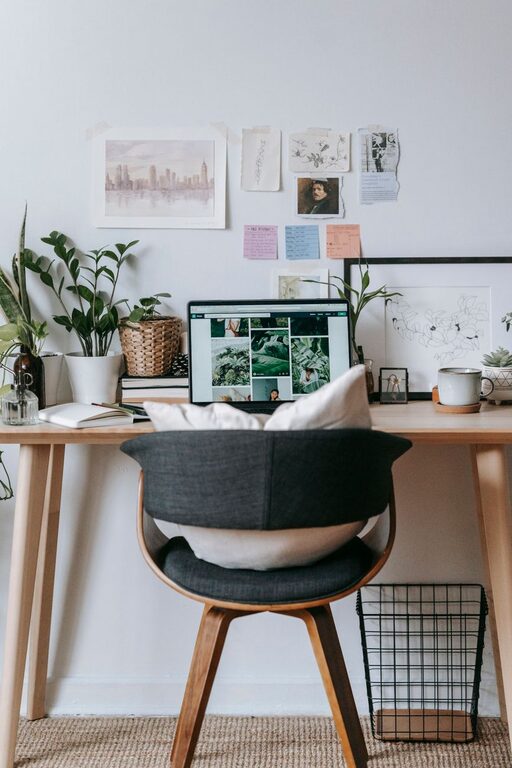
Indoor plants add life to your office and improve air quality. Even a small potted plant can make your workspace feel more inviting.
Personal Decor
Include a few meaningful items like photos, art prints, or inspirational quotes. These personal touches can motivate and make your workspace uniquely yours.
Optimize Lighting for Productivity
Layered Lighting
Combine overhead lights with task lighting such as desk lamps. Adjustable lamps help you direct light exactly where you need it and reduce eye strain.
Avoid Harsh Lighting
Soft, diffused light is easier on your eyes than bright, direct bulbs. Consider using bulbs with a warm color temperature to create a cozy ambiance.
Manage Technology and Cords
Efficient Equipment Setup
Arrange your computer, printer, and other devices for easy access. Use wireless devices when possible to reduce clutter.
Cord Management
Use cable organizers, clips, or sleeves to keep cords tidy and prevent tangling. A neat cable system makes your space safer and cleaner.
Create a Routine-Friendly Environment
Designate Zones
If space allows, separate your work area from relaxation spots. Having a clear boundary can help you mentally switch between work and rest.
Keep Essentials Handy
Stock your office with necessary supplies like pens, notebooks, chargers, and water. This reduces distractions caused by searching for items.
Incorporate Break Areas and Movement
Include a Comfortable Chair
Add a cozy chair or small sofa for breaks. Taking short breaks in a comfortable spot encourages relaxation and refreshes your mind.
Plan for Movement
Consider doing brief stretches or walking around during breaks. A standing desk or a balance ball chair can also help reduce sedentary time.
Final Thoughts
Designing a cozy and productive home office takes thoughtful planning but can greatly improve your work-from-home life. By prioritizing comfort, organization, and personal style, you can create a space that enhances both your mood and efficiency. Start small, customize your space to your needs, and enjoy the benefits of a well-crafted home office.